// Inventory photography ·
Phone photos vs. catalog photos: what 2,231 edited units say about days on lot
We ran 2,231 used units through one photo pipeline across 13 lots. The redo rate pointed at something dealers rarely fix: the background, not the camera.
Daniel Melo · 4 min read
Most advice about dealership photography is about gear. Buy a better camera, get a tripod, shoot at golden hour.
We've now run 2,231 used units through the same pipeline across 13 lots. The numbers say the camera was never the bottleneck.
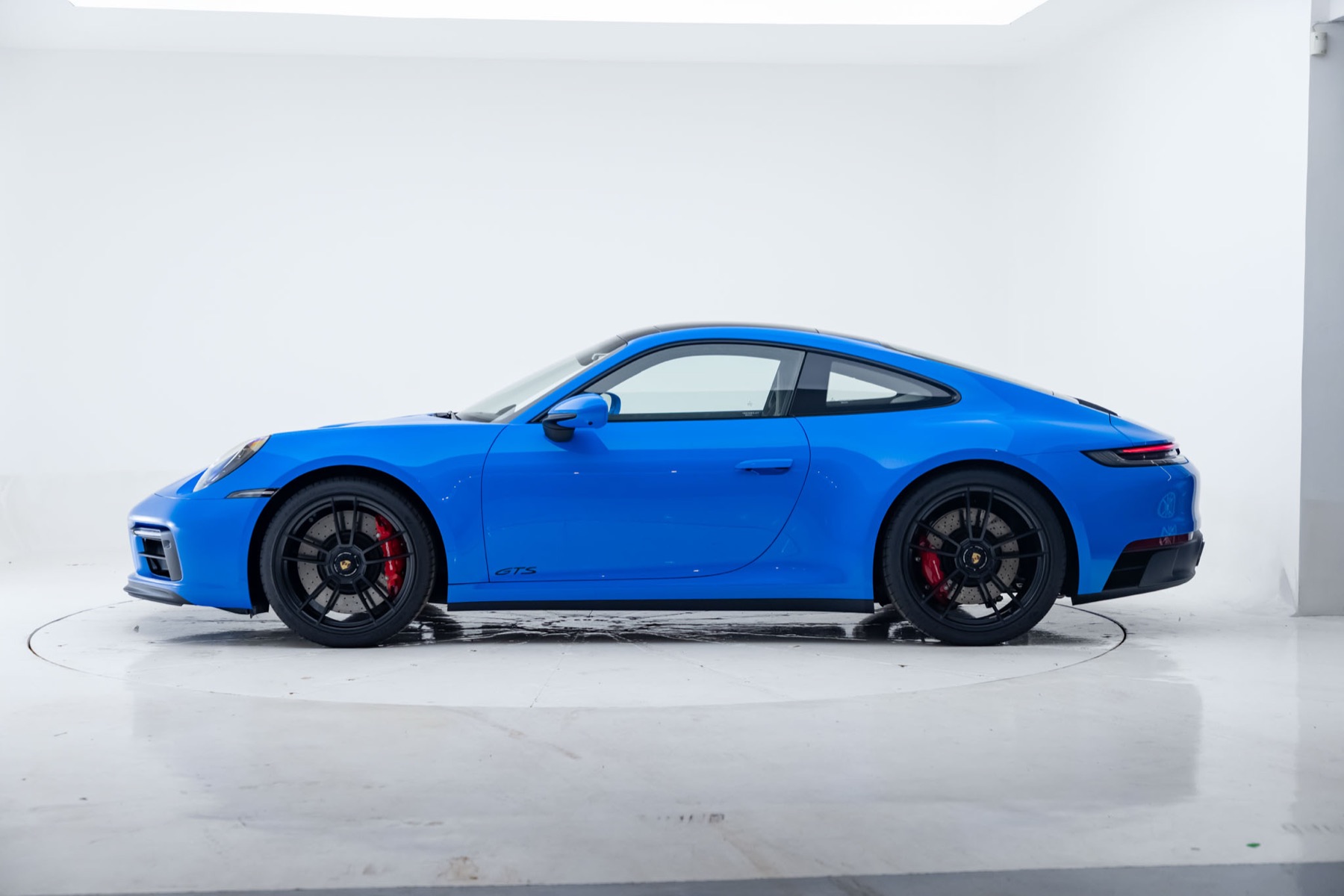
Before
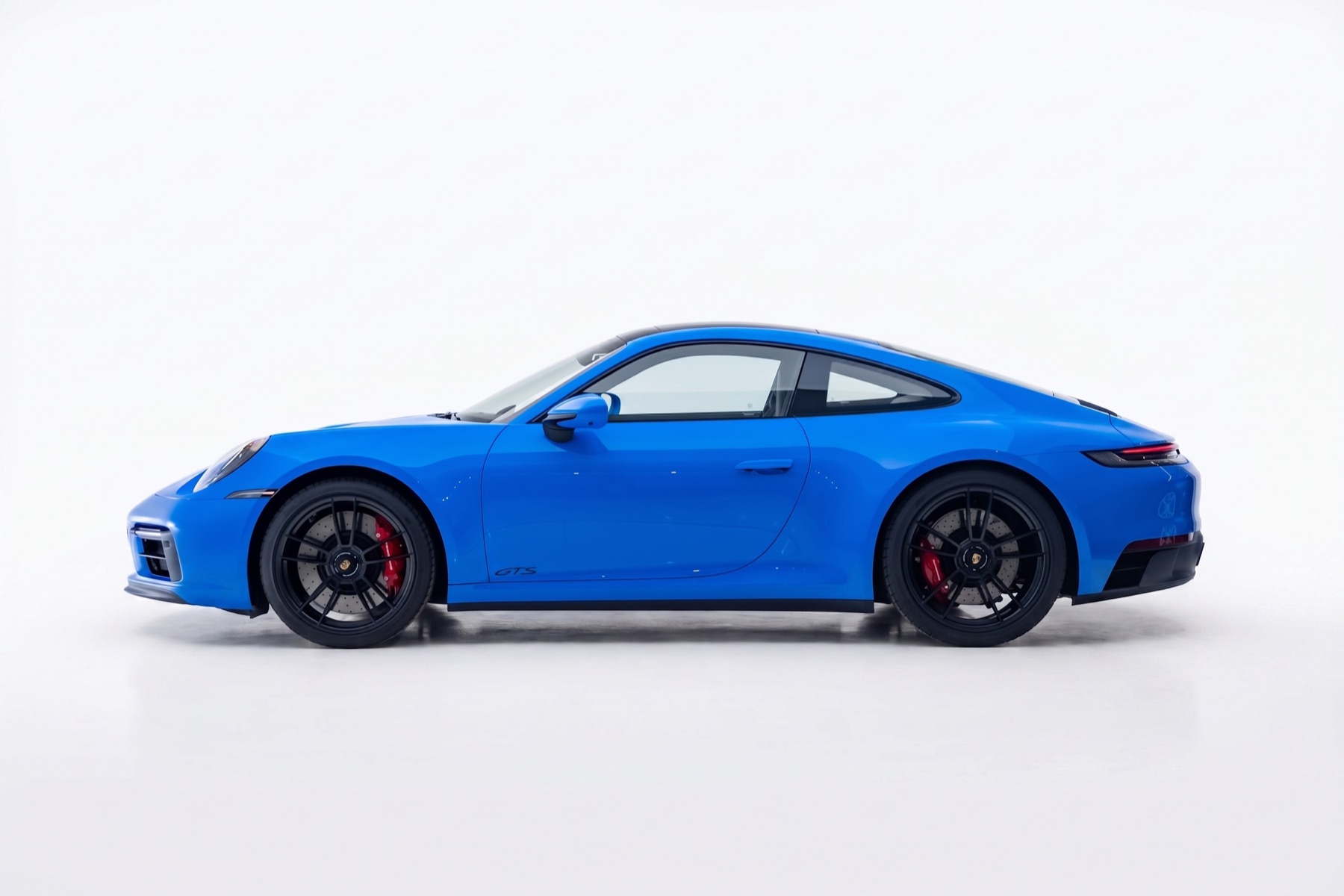
After
Three numbers from the pipeline
| Measure | Value |
|---|---|
| Units processed | 2,231 |
| Average processing time | 45.9 seconds |
| Real cost per photo | $0.0992 |
| Units sent back for a redo | 208 |
Two of those are easy to read. 45.9 seconds means photography stopped being a scheduling problem — there's no "when can the photographer come out" anymore. $0.0992 is the measured cost, not a quote; an outside editor runs $45 to $120 a vehicle and takes days to turn it around.
The third number is the interesting one.
What the redos were actually about
208 units came back for a second pass. We expected the reasons to be scattered — bad angle, blown highlights, a cropped bumper.
They weren't. Almost all of them traced to the same failure: the lot reflected in the glass. The fence. The dumpster. The building next door. Sometimes the person holding the phone.
The car was fine. The background wasn't.
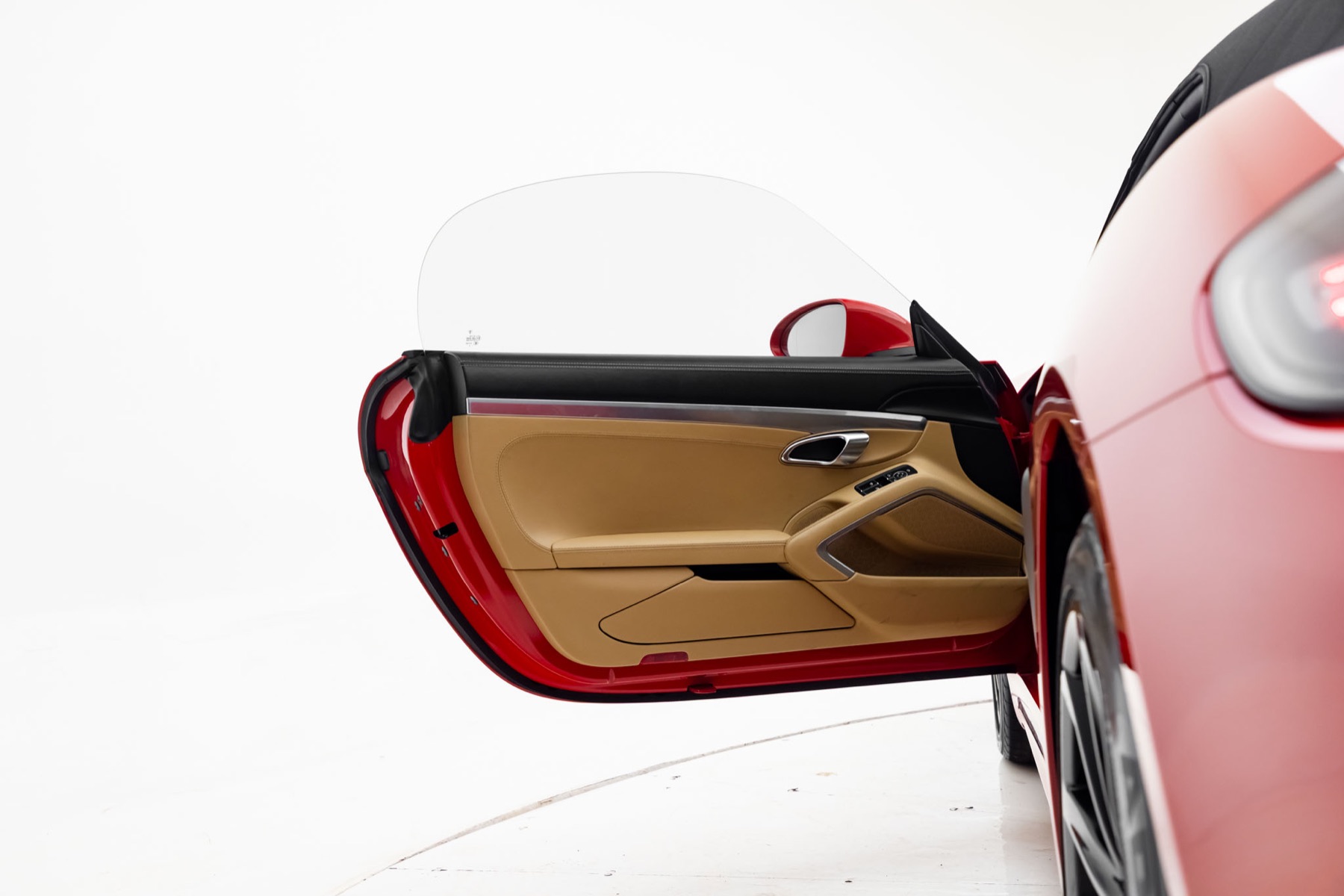
That's a useful thing to know, because it's the opposite of where dealers spend their attention. Nobody's listing underperforms because the sensor was too small. It underperforms because the unit is sitting in a visual environment that says used lot in every reflective surface, and a shopper scrolling a search results page reads that in a quarter of a second, before reading a single word of the description.
Why this shows up in days on lot
A shopper comparing two identical units on the same search page isn't grading photography. They're deciding which one to click. The one that looks like a catalog gets the click; the one that looks like a classified ad gets scrolled past.
Fewer clicks means fewer VDP views, which means fewer leads, which means more days. The photo doesn't sell the car — it earns the click that starts the process. Everything downstream is capped by it.
This is also why fixing photography is cheaper than it looks. You're not buying a better camera. You're removing the lot from the frame — which is a processing problem, and one that takes 45.9 seconds a unit.
What to do Monday morning
- Open your own VDP on a phone, in a search results grid, next to your competitors. Not on your desktop, where everything looks fine.
- Look at the glass, not the car. Windows, doors, hood. Count how many of your listings show your fence, your building, or your photographer.
- Fix the background before the camera. If the reflections are the issue — and in our data they were, in almost every redo — a new camera changes nothing.
If you want the number behind the whole thing, that's the cost per car sold — photography is one of the lines that belongs in it, and one of the few you can change this week. It's also the first of the five systems we run, for exactly this reason.
// Straight answers
No. A booth solves the background by building one; processing solves it by replacing one. The booth costs real money and floor space, and it still needs somebody to drive every unit into it.
More, not less. On a $6,000 unit the photos are almost the entire first impression, because there's no brand halo doing the work. The gap between a catalog-looking listing and a phone snapshot is widest at the bottom of the price band.
Enough to answer the questions a shopper would ask standing next to it: all four corners, the interior from both front doors, the dash and odometer, the tires, and honest shots of any damage. Twelve solid ones beat thirty repetitive ones.
Not when the vehicle itself is untouched. The line that matters is representation: cleaning up the environment is fine, changing the condition of the car is not. Never edit out damage, and never alter wheels, badges or trim.